

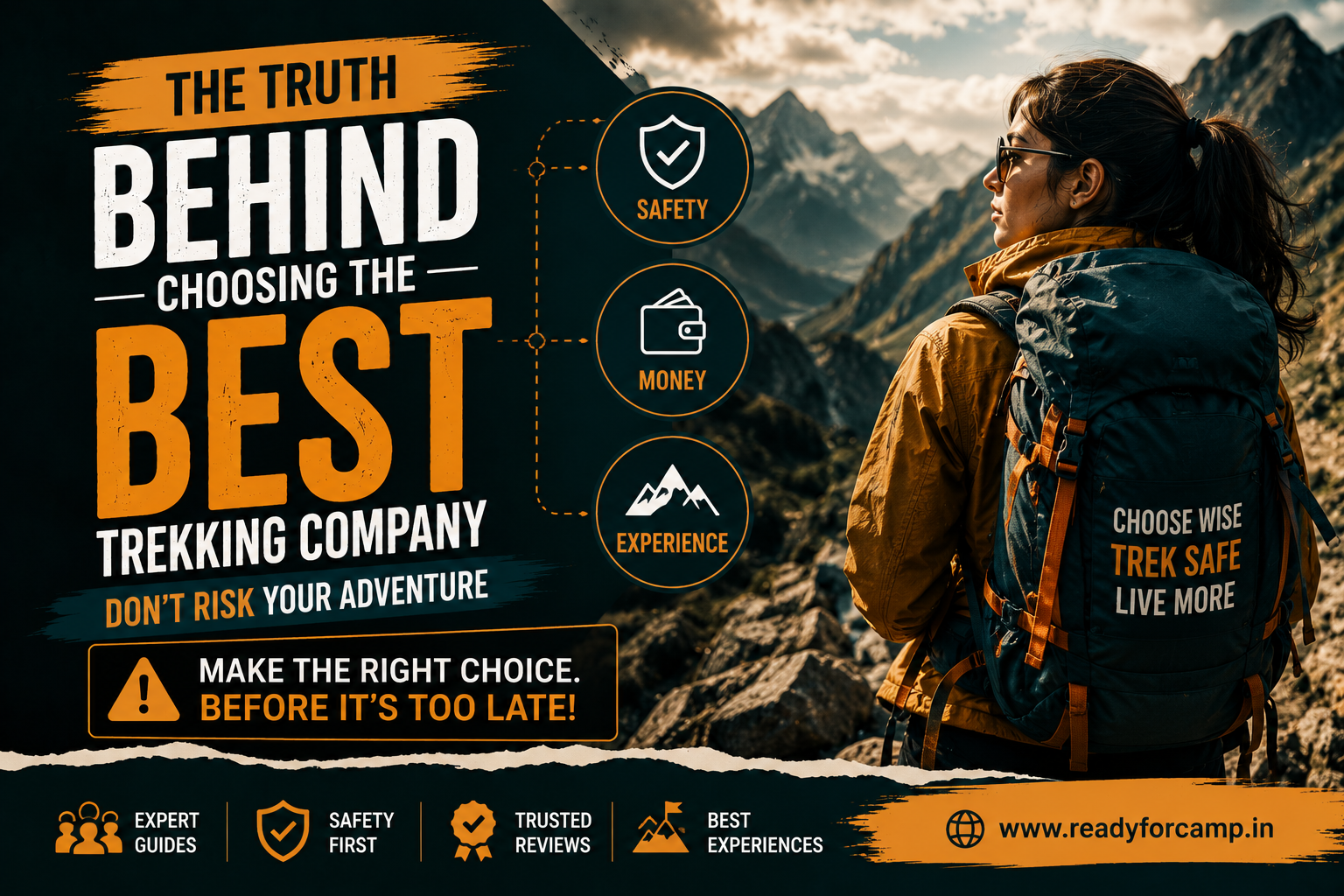

Choosing the right trekking company is no longer just a travel decision. It is a life-impacting choice that determines your safety in unpredictable mountains, the quality of your experience, and whether your dream adventure becomes unforgettable or turns into a regret you cannot undo. Every year, thousands of trekkers step into the wilderness trusting the wrong operators—unlicensed guides, underprepared teams, hidden costs, and poor safety standards. The result is not just disappointment, but real risk.
This guide is not written to sell you a fantasy. It is written to help you think critically, choose wisely, and protect yourself before you commit your time, money, and trust to any trekking company.
Why Choosing the Right Trekking Company Matters More Than You Think
Trekking is not a packaged holiday. It is a high-risk, high-reward experience where conditions can change within minutes. Weather shifts, altitude sickness, terrain difficulty, and emergency response capability all depend on the competence of the company you choose.
A reliable trekking company ensures:
- Proper acclimatization schedules to prevent altitude sickness
- Certified and trained mountain guides
- Emergency evacuation readiness
- High-quality gear and food safety standards
- Transparent pricing with no hidden charges
A poor company can leave you stranded, underprepared, or exposed to unnecessary danger.
The Hidden Risks Most Travelers Ignore
Many trekkers get influenced by attractive social media posts, low prices, and viral travel packages. But what is not shown is often more important than what is displayed.
Common risks include:
- Fake licensing or unverified operators
- Overcrowded trekking groups with minimal supervision
- Inexperienced guides leading high-altitude routes
- Poor emergency protocols in remote regions
- No insurance coverage or evacuation plan
The truth is simple: if a company cannot clearly explain its safety protocols, it is not a company worth trusting.
How to Identify a Legitimate Trekking Company
A legitimate trekking operator does not rely on marketing hype. It relies on structure, transparency, and accountability.
Look for these non-negotiable signs:
- Official registration and licensing documentation
- Experienced guides with certified mountain training
- Clear itinerary with altitude gain details
- Emergency response and evacuation partnerships
- Verified reviews from multiple independent sources
- Transparent breakdown of costs
If any of these are missing or unclear, consider it a warning sign.
Safety Standards That Separate Professionals From Amateur Operators
Professional trekking companies treat safety as a system, not a promise. They invest in preparation long before the trek begins.
Key safety indicators include:
- Mandatory health screening or fitness recommendations
- Gradual altitude progression to reduce risk
- Satellite communication or emergency tracking devices
- Backup oxygen supplies for high-altitude treks
- Staff trained in first aid and mountain rescue protocols
A company that prioritizes shortcuts over safety is not worth the risk, no matter how attractive the price.
Trust Is Not Advertised, It Is Verified
Trust in the trekking industry is not built through advertisements or promotional discounts. It is built through consistent performance and real experiences.
Before booking, ask:
- How many successful treks has the company completed in this route?
- What happens in case of emergency evacuation?
- Are guides locally experienced or outsourced?
- What do past trekkers say about safety and support?
If answers are vague or overly promotional, that is a signal to reconsider.
Emotional Reality: Your Experience Depends on Your Decision
Trekking is often a once-in-a-lifetime dream for many people. Reaching a summit, walking through untouched landscapes, and pushing personal limits is deeply emotional.
But that dream can quickly turn into fear, exhaustion, or danger if the wrong company is chosen. The mountains do not forgive negligence. Preparation is not optional. Responsibility lies with the operator you trust.
Choosing wisely is not about being cautious. It is about respecting the environment you are entering and the risks that come with it.
Final Thought: Do Not Choose Cheap, Choose Certain
The cheapest option is rarely the safest. The safest option is not always the most advertised. The right trekking company is the one that proves its value through structure, transparency, and safety commitment—not promises.
Your journey should not depend on luck. It should depend on preparation, professionalism, and trust.
Make the decision as if your safety depends on it—because it does.